
Gluten Free Family Travel: Complete Guide for Safe & Fun Vacations
This post contains affiliate links. I may receive a small commission if you purchase something through these links, which helps me continue to deliver great content with no extra cost to you. I never recommend products I wouldn’t use myself!
Table of Contents
Table of Contents
Gluten free family travel can feel overwhelming when celiac disease is involved. The thought of navigating unfamiliar restaurants, foreign food labels, and potential cross-contamination while keeping your kids happy and safe might make you want to cancel that vacation altogether. But here’s the truth: thousands of families successfully travel gluten-free every year, creating amazing memories while keeping everyone healthy and safe.
Whether you’re newly diagnosed and planning your first celiac family vacation or you’re an experienced gluten-free traveler looking to refine your approach, this guide will equip you with practical strategies for stress-free family adventures. From toddlers to teens, from road trips to international flights, we’ll cover everything you need to know about how to travel gluten free with kids while ensuring the whole family enjoys the journey.
Pre-Travel Planning: The Foundation of Success
The key to successful gluten-free family travel lies in thorough preparation. When you’re planning gluten-free vacations with children, research becomes your best friend and can make the difference between a stressful trip and a memorable adventure.
Gluten Free Family Travel Research and Planning Tips
Start your celiac family vacation planning at least 4-6 weeks before departure. Download gluten-free restaurant apps like Find Me Gluten Free, AllergyEats, and HappyCow, then research your destination thoroughly. Look beyond just restaurants – identify grocery stores that carry gluten-free products, particularly if you’re staying somewhere with kitchen access.
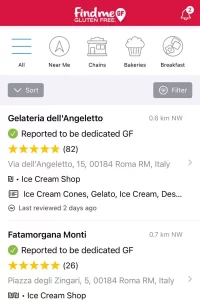
Connect with local celiac support groups through Facebook or forums like Celiac.com. These communities are goldmines of insider knowledge about hidden gluten-free gems and restaurants that truly understand cross-contamination protocols. Many experienced travelers are happy to share their gluten-free travel hacks for families, including specific dishes that worked well for their kids.
Understanding local food culture is crucial when you’re figuring out how to keep kids with celiac safe when traveling. Research common ingredients in regional cuisines and learn key phrases in the local language. For example, knowing that soy sauce typically contains wheat in many Asian countries, or that communion wafers might be made from wheat in certain European regions, can prevent accidental exposures.
Medical Prep for Celiac Family Vacations
Pack extra medications, including any digestive enzymes or probiotics your family uses. Carry a letter from your doctor explaining celiac disease in both English and the local language – this can be invaluable if you need medical attention abroad. Research the locations of hospitals and pharmacies near your accommodation, and ensure your travel insurance covers celiac-related medical needs.
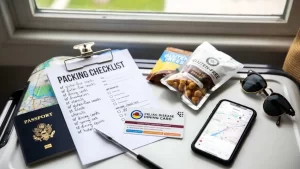
Create a gluten-free travel checklist for parents that includes emergency contacts, medical information, and a list of safe foods your children will eat. Having this information easily accessible can be a lifesaver during stressful moments.
Packing Strategies for Gluten-Free Travel
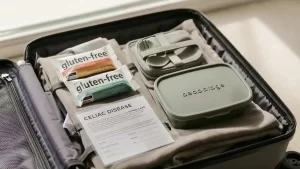
Creating a comprehensive gluten-free packing list for family trips is essential for maintaining both safety and peace of mind. Your packing strategy should account for different types of travel, accommodation options, and your children’s specific preferences.
Best Gluten Free Travel Snacks for Kids
When considering the best gluten-free travel snacks for kids, focus on shelf-stable options that travel well and appeal to young palates. Pack individual portions of crackers, granola bars, fruit snacks, and nut butters. For longer trips, include instant oatmeal packets, pasta, and sauce – these can serve as emergency meals when dining options are limited.

Don’t forget easy gluten-free snacks for family travel like rice cakes, popcorn, and dried fruit. These items are lightweight, non-perishable, and can tide everyone over during long travel days. If you’re traveling gluten-free with a toddler, pack familiar favorites to avoid meltdowns when regular snack options aren’t available.
Invest in a portable cooking kit including a travel kettle, collapsible containers, and plastic utensils. Even if you’re staying in hotels, having the ability to prepare simple meals can be invaluable. Pack cleaning supplies specifically for removing gluten residue – dish soap, sponges, and sanitizing wipes can help you clean shared kitchen spaces or restaurant tables.
Age-Appropriate Considerations
For families with teens, involve them in the packing process. Teenagers often have strong preferences for specific brands or flavors, and their buy-in can make the entire trip smoother. Pack extra quantities of their favorite gluten-free items, as finding exact brand matches abroad can be challenging.
Documentation and Tools
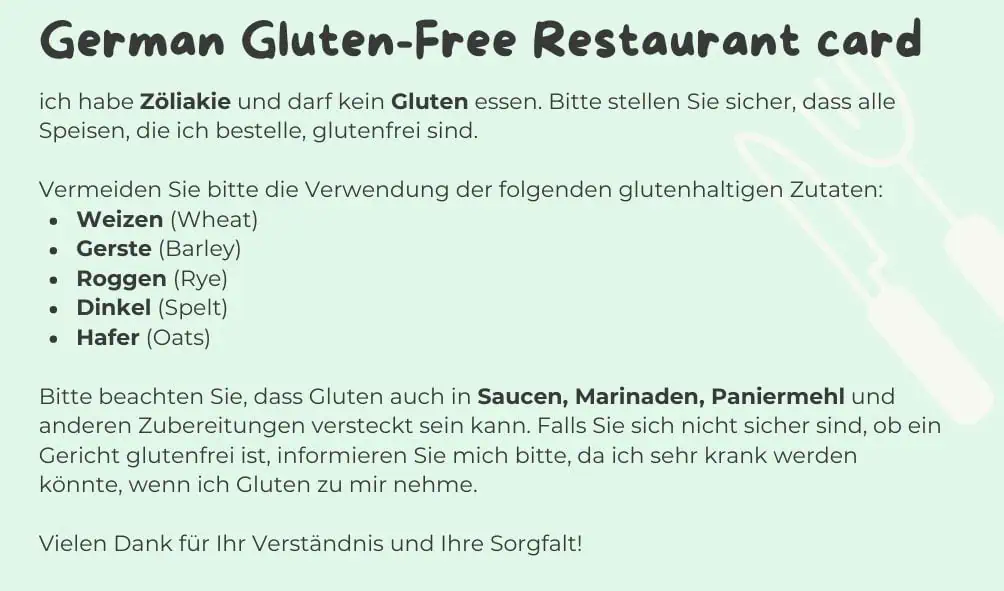
Create laminated restaurant cards in the local language explaining celiac disease and cross-contamination concerns. Many celiac organizations provide these for free download. Having physical cards as backup to your phone apps ensures you can communicate even when technology fails.
Transportation: Staying Safe on the Move
Different modes of transportation present unique challenges when learning how to travel gluten-free with kids. Each requires specific strategies to maintain safety while keeping the journey enjoyable.
Gluten Free Family Airline Travel Tips
Research gluten-free family airline meal options well in advance. Most major airlines offer gluten-free meals, but quality and safety standards vary significantly. Many experienced families prefer to decline airline meals entirely and pack their own food to avoid cross-contamination risks.
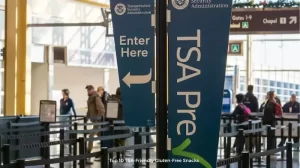
When packing food for flights, remember that TSA allows solid foods in carry-on luggage. Liquid items like yogurt or applesauce must follow the 3-1-1 rule unless they’re for medical purposes. Pack kid friendly gluten free road trip snacks that also work well for flights – items that won’t make a mess and can be eaten without heating.
Always carry more food than you think you’ll need. Flight delays, missed connections, and limited airport dining options can leave families stranded without safe meal options. Pack a full day’s worth of meals and snacks for each family member.
Gluten Free Family Road Trip Planning
Road trips offer the most control over your food environment, making them ideal for families new to gluten-free travel. Plan your route around grocery stores and restaurants you’ve researched in advance. Many chain restaurants have consistent gluten-free protocols across locations, making them reliable stops during long drives.
Pack a good cooler and plan for regular ice stops. This allows you to carry fresh fruits, vegetables, and other perishables that can make meals more appealing for kids. Having familiar foods available can prevent the stress of finding suitable options at every meal stop.
International Travel Considerations
Research customs regulations for bringing food across borders. Most countries allow packaged, commercially produced gluten-free items, but fresh foods and homemade items may be restricted. When in doubt, pack only factory-sealed items and be prepared to declare food items at customs.
Understanding international labeling laws is crucial. What constitutes “gluten-free” varies by country, and some nations have stricter standards than others. Familiarize yourself with local certification symbols and ingredient names that might indicate gluten presence.
Accommodation Strategies by Type
Your choice of accommodation significantly impacts your ability to maintain a gluten-free lifestyle while traveling. Each type offers different advantages and challenges for families managing celiac disease.
Gluten Free Hotel Tips for Families
When booking hotels, specifically request rooms with refrigerators and microwaves. Many hotels provide these upon request, even if they’re not standard amenities. This simple addition to your room can dramatically expand your meal options and reduce stress around finding safe food.
Research gluten-free hotel tips for families before arrival. Call the hotel directly to discuss your needs – many properties are more accommodating than their standard policies might suggest. Some hotels can even arrange to have gluten-free items added to their breakfast buffets with advance notice.
Continental breakfasts require careful navigation. Focus on naturally gluten-free options like fresh fruit, yogurt (check labels), and hard-boiled eggs. Always ask about cross-contamination protocols for items like oatmeal or coffee stations, as these are common areas where gluten contamination occurs.
Gluten Free Vacation Rental Safety Guide
Vacation rentals with full kitchens provide the most control over your food environment. When you arrive, thoroughly clean all cooking surfaces, utensils, and appliances before use. Pack a small cleaning kit specifically for this purpose – the investment in time pays dividends in safety.
Research grocery stores near your rental and plan a shopping trip for your first day. Having familiar, safe foods available immediately reduces stress and ensures you’re not scrambling for meals after a long travel day. Many grocery delivery services now offer gluten-free options, allowing you to have food waiting when you arrive.
Managing Celiac When Staying with Family
Staying with relatives or friends requires diplomatic communication about your family’s needs. Share information about celiac disease and cross-contamination well before your visit. Offer to bring your own cookware and cleaning supplies to minimize disruption to their kitchen routines.
Consider this an educational opportunity. Many people are genuinely curious about celiac disease and gluten-free living. Sharing your knowledge can help build understanding and support for your family’s needs while potentially helping others who might be dealing with similar issues.
Dining Out: Restaurant Navigation with Teens
Learning how to find gluten-free restaurants when traveling with kids becomes easier with experience, but it requires patience and flexibility. Teaching older children and teens to advocate for themselves builds confidence and life skills they’ll use beyond family trips.
How to Find Gluten Free Restaurants When Traveling with Kids
Use multiple apps and websites to cross-reference restaurant reviews. Look specifically for comments from other families with celiac disease, as they often provide insights about kid-friendly options and staff knowledge levels. Don’t rely solely on “gluten-free” menu labels – read reviews about actual experiences with cross-contamination protocols.
Chain restaurants often provide the most consistent experience when traveling. While they might not offer the most exciting dining experiences, their standardized training and protocols can provide peace of mind when you’re in unfamiliar territory. Many chains publish detailed allergen information online, allowing you to research options before arrival.
Restaurant Communication Tips for Celiac Families
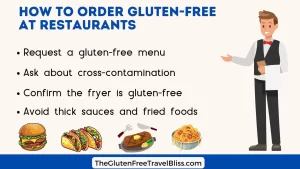
Teach teens to ask specific questions about food preparation and cross-contamination protocols. Role-play these conversations at home so they feel confident speaking up when needed. Key questions include asking about dedicated fryers, separate preparation areas, and staff training on allergen protocols.
Always carry restaurant cards in the local language that explain celiac disease and cross-contamination concerns. Having both verbal and written communication ensures your message is clearly understood, regardless of language barriers or busy restaurant environments.
Cultural Dining Experiences
Don’t let celiac disease prevent your family from experiencing local food culture. Research traditional dishes that are naturally gluten-free or can be easily modified. Many cuisines have naturally gluten-free staples – rice-based dishes in Asian countries, corn-based foods in Latin America, or naturally gluten-free Mediterranean options.
Teaching teens about different food cultures while managing celiac disease builds both cultural awareness and practical life skills. They learn to research, ask questions, and adapt to new situations while maintaining their health and safety.
Special Considerations for Teen Travelers
Traveling with teenagers who have celiac disease presents unique challenges around social situations, independence, and peer pressure. Building their confidence and advocacy skills serves them well beyond family trips.
Helping Teens Navigate Social Gluten Free Situations
Prepare teens for situations where safe food options might be limited or where they feel different from their peers. Discuss strategies for handling comments or questions about their dietary needs. Having responses ready for common situations builds confidence and reduces anxiety.
Pack extra appealing snacks that teens can share with friends. This turns their dietary restrictions into an opportunity for connection rather than a source of isolation. Many gluten-free snacks are enjoyed by everyone, and sharing can lead to positive conversations about celiac disease.
Independence Building
Gradually increase teens’ responsibility for their own gluten-free needs during travel. Start with small tasks like researching restaurant menus or identifying safe snacks at convenience stores. This builds practical skills while maintaining safety oversight.
Teach them to use translation apps and communicate their needs in foreign languages. These skills build confidence and prepare them for independent travel in the future. Practice ordering in restaurants and asking about ingredients in a supportive family environment before expecting them to handle it independently.
Emergency Protocols and Problem-Solving
Even with careful planning, situations arise that require quick thinking and backup plans. Preparing for these scenarios reduces stress and ensures you can handle challenges effectively.
How to Handle Cross Contamination on Family Trips
Create a clear protocol for accidental gluten exposure that all family members understand. This includes knowing symptoms to watch for, having appropriate medications available, and understanding when to seek medical attention. Having a plan removes panic from an already stressful situation.
Research medical facilities at your destination before problems arise. Know how to explain celiac disease and gluten exposure in the local language, and understand local emergency services protocols. Many travel insurance policies include 24-hour medical assistance that can help navigate foreign healthcare systems.
Emergency Gluten Free Travel Plans for Families
Always have Plan B dining options researched and ready. This might include knowing which grocery stores stay open late, having delivery apps downloaded, or identifying 24-hour restaurants with safe options. When traveling with kids, having backup plans prevents hangry meltdowns and family stress.
Maintain emergency food stashes throughout your trip. Keep shelf-stable meals and snacks in your hotel room, car, or day bag. These reserves provide peace of mind and practical solutions when planned meals fall through.
Making It Enjoyable: Beyond Just “Safe”
Successful gluten-free family travel goes beyond avoiding gluten – it’s about creating positive experiences and memories that last a lifetime.
Turning Challenges into Adventures
Frame gluten-free travel as an adventure rather than a limitation. Explore local markets together, hunt for unusual gluten-free products, or try cooking regional specialties in your vacation rental. These activities become family bonding experiences and help children develop positive associations with their dietary needs.
Consider booking gluten-free cooking classes or food tours where available. Many destinations now offer specialized experiences for travelers with dietary restrictions. These activities combine cultural education with practical skills while ensuring safety.
Celebrating Successes
Document your gluten-free finds and positive experiences throughout your trip. Create a family travel journal or photo album highlighting successful restaurants, delicious discoveries, and proud moments of advocacy. These records serve as references for future trips and positive reminders of successful adventures.
Share your experiences with the gluten-free community through reviews, social media, or travel forums. Your insights help other families while building connections within the community. Many lasting friendships form through shared experiences and mutual support.
Conclusion and Resources
Mastering gluten-free family travel requires preparation, flexibility, and patience, but the rewards are immeasurable. Each successful trip builds confidence for future adventures while teaching valuable life skills to your children. Remember that perfection isn’t the goal – safety and enjoyment are.
The key to successful gluten-free travel with kids lies in thorough preparation combined with adaptability when things don’t go according to plan. Your family will develop its own rhythm and preferences over time, making each subsequent trip easier and more enjoyable.
Start planning your next gluten-free family adventure today. With proper preparation and the right mindset, you’ll create incredible memories while keeping everyone safe and healthy. The world is waiting for your family to explore it – celiac disease doesn’t have to hold you back.
Ready to share your own gluten-free travel experiences? Join our community by commenting below with your best family travel tips, or tag us on social media (@theglutenfreetravelbliss) with photos from your gluten-free adventures. Your experiences help other families build confidence for their own journeys!
Frequently Asked Questions: Gluten-Free Family Travel
How far in advance should I start planning a gluten-free family vacation?
Begin planning at least 4-6 weeks before departure for domestic trips and 8-12 weeks for international travel. This gives you time to research restaurants, contact hotels about accommodations, arrange special airline meals, and order any necessary translation materials or medical documentation.
What’s the most important thing to pack for gluten-free family travel?
Emergency food supplies are crucial. Pack at least 2-3 days’ worth of shelf-stable meals and snacks that your kids will actually eat. This includes backup options for breakfast, lunch, dinner, and snacks. Flight delays, restaurant closures, and limited gluten-free options can leave families without safe food choices.
Are airline gluten-free meals safe for children with celiac disease?
Airline gluten-free meal safety varies significantly between carriers. Many experienced celiac families choose to decline airline meals entirely and pack their own food to avoid cross-contamination risks. If you do order airline meals, contact the airline directly to discuss their preparation protocols and consider packing backup meals regardless.
Can I bring gluten-free food through airport security?
Yes, solid gluten-free foods are allowed in carry-on luggage without restrictions. Liquid items like yogurt or squeeze pouches must follow the 3-1-1 rule (3.4 oz containers in a quart-sized bag) unless they’re declared as medically necessary. Pack extra food in case of delays or limited airport dining options.
How do I handle hotel breakfast buffets with a celiac child?
Focus on naturally gluten-free options like fresh fruit, plain yogurt (check labels), hard-boiled eggs, and cheese. Always ask staff about cross-contamination protocols, especially for items like oatmeal or shared serving utensils. Many hotels can provide dedicated gluten-free items with advance notice, so call ahead to discuss options.
Should I trust “gluten-free” labels in other countries?
Gluten-free labeling standards vary by country. Research local certification symbols and regulations before traveling. When in doubt, stick to naturally gluten-free whole foods or products from brands you recognize. EU countries generally have strict gluten-free standards, while other regions may have different definitions of “gluten-free.”
How do I handle gluten-free needs on a cruise ship?
Contact the cruise line’s special services department before booking to discuss gluten-free options. Most major cruise lines can accommodate celiac dietary needs with advance notice. Pack emergency snacks for ports of call and research dining options at destinations. Consider booking a cabin with a mini-fridge for storing safe foods.
What’s the best way to find gluten-free options at theme parks?
Research park websites before visiting, as most major theme parks now list allergen-friendly dining options online. Contact guest services upon arrival to discuss dining locations and protocols. Pack plenty of gluten free theme park snacks for kids, as lines can be long and dining options may be limited during peak times.
Is travel insurance important for families with celiac disease?
Yes, comprehensive travel insurance is especially important for families managing celiac disease. Look for policies that cover pre-existing medical conditions and include 24-hour medical assistance. Some policies also cover trip interruption due to illness, which can be valuable if gluten exposure affects your travel plans.