10-Day Gluten-Free Thailand Itinerary for a Celiac-Safe Adventure
Updated November 30th, 2025
This post contains affiliate links. I may receive a small commission if you purchase something through these links, which helps me continue to deliver great content with no extra cost to you. I never recommend products I wouldn’t use myself!
This 10-day gluten-free Thailand itinerary gives every celiac traveler a clear, safe, and thrilling path through Bangkok, Phuket, Ko Samui, and Chiang Mai while meeting the U.S. FDA gluten-free standard of under 20 ppm.
Traveling Thailand with celiac disease has reshaped how our family explores the world, especially with a gluten-free spouse and a joyful, careful celiac teen. I learned early that with the right preparation, Thailand becomes not only accessible but unforgettable.
This gluten-free Thailand itinerary blends safety, beauty, and flavor using trusted standards from GFCO, GFFS, and the FDA’s definition of “gluten-free” as anything containing less than 20 parts per million of gluten.
What Should You Know Before Starting Your Gluten-Free Thailand Trip in 2026?
Thailand welcomes travelers with kindness, color and street food aromas that drift through every corner. Those same aromas often hide soy sauce, wheat-based thickeners, and unmarked marinades, which is why every moment of this trip leans on planning grounded in celiac expertise.
Before beginning this Gluten-Free Thailand Itinerary, it helps to understand how sauces, street food, and hidden wheat can affect celiac safety across the country.
Key gluten-free travel essentials for Thailand:
- Thai celiac restaurant card for clear communication.
- GFCO- or GFFS-aligned restaurants when possible.
- Portable gluten-free soy sauce to avoid hidden wheat.
- Cash on hand for markets and small vendors.
- Fruit, rice dishes, and grilled meats as reliable base foods.
- Domestic flights between cities for efficiency.
With those tools ready, Thailand becomes the perfect playground of golden temples and turquoise waters.
10-Day Gluten-Free Thailand Itinerary Snapshot
This Gluten-Free Thailand Itinerary covers Bangkok, Phuket, Ko Samui, and Chiang Mai with safe, clearly verified food stops.
- Days 1 to 3: Bangkok
- Days 4 to 6: Phuket
- Days 7 to 8: Ko Samui
- Days 9 to 10: Chiang Mai
Days 1 to 3: How Do You Explore Bangkok Safely on a Gluten-Free Diet?
Bangkok is a sensory explosion, tuk-tuks, golden temples, and sizzling street food collide in the most unforgettable way. With a Thai celiac card, clear questions, and trusted restaurants, this city becomes one of the easiest places to eat safely.
Day 1: Which Temples and Restaurants Are Best for Celiac Travelers?
Morning:
Ease into Thailand at the Grand Palace, then walk to Wat Pho to marvel at the reclining Buddha. Street vendors sell fresh pineapple and watermelon, which are naturally gluten-free.
Lunch:
Broccoli Revolution offers clearly labeled gluten-free dishes. Present your celiac card to ensure no soy sauce or wheat-based stocks sneak in.
Afternoon:
Step quietly through the Jim Thompson House, a hidden gem showcasing Thai silk and art. It’s less crowded than the big temples and offers a quiet peaceful alternative to Bangkok’s rush.
Dinner:
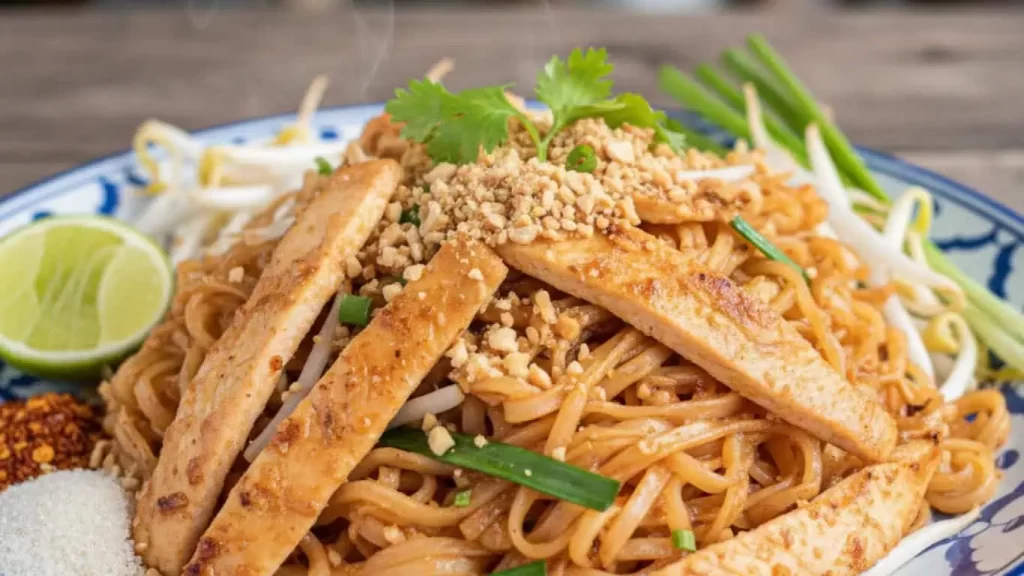
May Veggie Home serves gluten-free Pad Thai when prepared without soy sauce. Use your certified gluten-free soy sauce to enjoy the classic flavor safely.
Day 2: How Can You Navigate Bangkok’s Markets Gluten-Free?
Morning:
Glide along the Chao Phraya River toward Tha Maharaj. Fresh fruit stalls line the pathways, all naturally gluten-free.
Lunch:
Rasayana Retreat prepares vibrant curries and salads. Verify that sauces meet the FDA’s gluten-free standard of under 20 ppm.
Afternoon:
Pak Khlong Talat, the flower market, envelopes you with color and scent. No food worries here.
Dinner:
Choose grilled Pla Pao near Khao San Road. Avoid all dipping sauces unless confirmed gluten-free.
Day 3: What Should You Eat Before Departing Bangkok?
Morning:
Erawan Shrine provides a calm interlude. If it’s the weekend, wander Chatuchak Market for coconut ice treats and fresh juices.
Lunch:
Theera Healthy Bake Room offers gluten-free pastries and sandwiches crafted without wheat, barley, or rye.
Afternoon:
Fly to Phuket with Bangkok Airways.
This Gluten-Free Thailand Itinerary makes it easy to move between major regions while keeping meals predictable and safe.
Days 4 to 6: How Do You Stay Celiac-Safe While Exploring Phuket’s Beaches?
Phuket mixes postcard-worthy beaches with breezy cafes that often adapt well to gluten-free needs. In this Gluten-Free Thailand Itinerary, Phuket offers some of the easiest opportunities for simple grilled meals and fresh seafood.
Day 4: Where Should Celiacs Eat in Phuket Old Town?
Morning:
Stroll the pastel-shaded streets of Phuket Old Town after checking in at your beach hotel.
Lunch:
Gallery Café Old Town Phuket serves grilled seafood with plain rice, a naturally safe combination.
Afternoon:
Sink into the sand at Patong Beach.
Dinner:
Soul I Vegan Cafe provides rice bowls and smoothies prepared with straightforward, gluten-free ingredients.
Day 5: How Do You Stay Gluten-Free When Island Hopping in Phuket?
Morning:
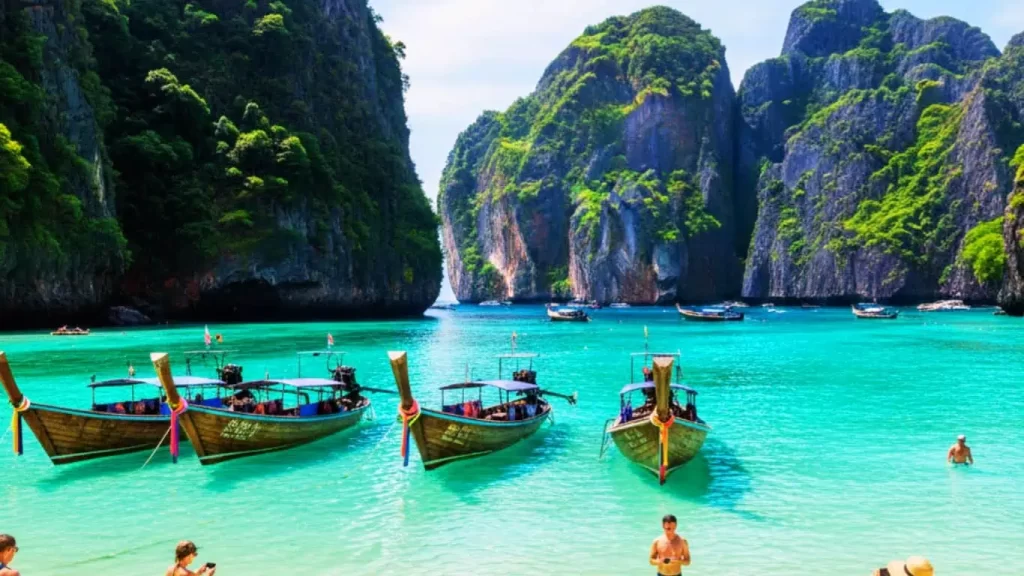
Sail to Phang Nga Bay, where limestone cliffs rise dramatically from jade-colored water. Bring GFCO-certified snacks to avoid cross-contact on boats.
Lunch:
Taste Restaurant (Kamala Beach) understands gluten-free preparation and offers grilled chicken and seafood.
Afternoon:
Relax at Kamala Beach, my family’s favorite quieter stretch.
Dinner:
Cook in your hotel using ingredients from Big C or Tesco Lotus, including gluten-free soy sauce and fresh vegetables.
Day 6: What Celiac-Friendly Beaches Should You Not Miss?
Morning:
Take a longtail boat to Freedom Beach, one of Phuket’s most beautifully secluded spots.
Lunch:
Pack fruit, sticky rice, and Moo Ping prepared without marinade.
Afternoon:
Fly to Ko Samui.
Days 7 to 8: Why Is Ko Samui One of Thailand’s Most Gluten-Free Friendly Islands?
Ko Samui moves at a gentler pace. The island’s breezy cafes embrace clean, simple ingredients that work beautifully for celiac travelers.
Day 7: Where Can You Eat Safely in Ko Samui?
Morning:
Float lazily in the clear waters of Chaweng Beach.
Lunch:
Greenlight Café builds fresh bowls that fit seamlessly into a Gluten-Free Diet when prepared without soy sauce.
Afternoon:
Visit Big Buddha Temple for sweeping sea views.
Dinner:
Prego Samui offers gluten-free pasta, prepared in dedicated cookware on request.
Day 8: How Do You Stay Gluten-Free During a Marine Park Excursion?
Morning:
Snorkel in Ang Thong National Marine Park. Pack gluten-free snacks because lunch options on boats vary.
Lunch:
Return to Ko Samui for a safe meal at The Cliff Bar and Grill, known for grilled meats and fish.
Afternoon:
Relax at Lamai Beach.
Evening:
Fly to Chiang Mai.
Days 9 to 10: How Can You Experience Chiang Mai’s Culture While Staying Celiac-Safe?
Chiang Mai’s mountains and temples create a quieter rhythm that feels grounding and warm. The city also hosts thoughtful, ingredient-aware cafes.
Day 9: What Are the Best Gluten-Free Eats in Chiang Mai?
Morning:
Climb to Wat Phra That Doi Suthep for sunrise sweeping across the city.
Lunch:
Goodsouls Kitchen prepares gluten-free pancakes and bowls with mindful handling.
Afternoon:
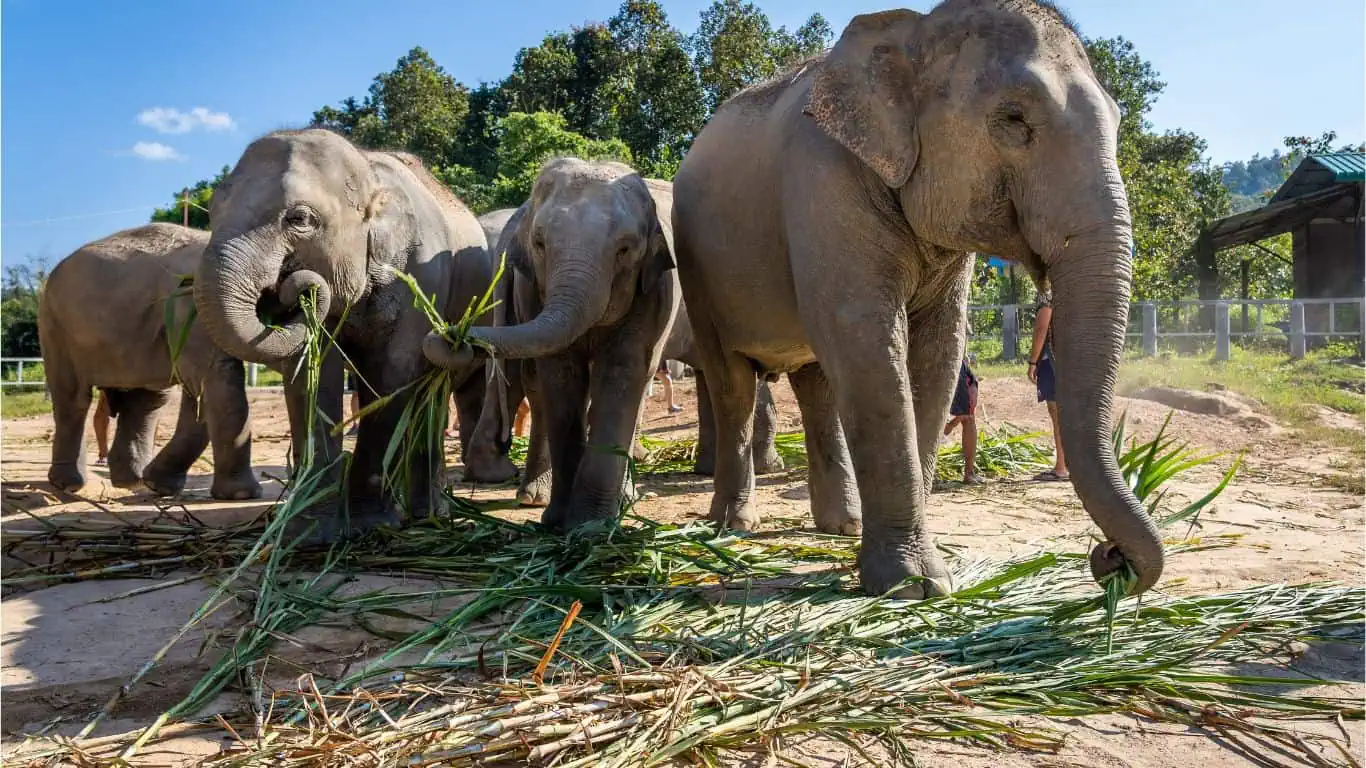
Visit an ethical elephant sanctuary like Save Elephant Foundation. Bring your own snacks since food options vary.
Dinner:
Free Bird Café makes classic Thai dishes celiac-friendly with menu transparency and ingredient clarity.
Day 10: What Should You Eat Before Leaving Thailand?
Morning:
Wander Warorot Market for fruit, fresh juices, and coconut treats.
Lunch:
Reform Kafé marks gluten-free options clearly and prepares them safely.
Afternoon:
Fly back to Bangkok and journey home with new memories and newfound confidence.
Why This Gluten-Free Thailand Itinerary Works for Celiac Travelers?
- Bangkok: Reliable gluten-free cafes with clear labeling.
- Phuket: Safe grilled seafood and health-focused menus.
- Ko Samui: Ingredient-aware kitchens and beachfront GF pasta.
- Chiang Mai: Mindful preparation and excellent healthy cafes.
Every stop follows the FDA’s gluten-free threshold of under 20 ppm and leans on GFCO and GFFS best practices. But as always ask the staff before ordering to make sure the protocol hasn’t changed.
Quick Tips for a Stress-Free Gluten-Free Thailand Trip
- Present a Thai celiac dining card at all restaurants.
- Bring your own certified gluten-free soy sauce.
- Shop at Big C and Tesco Lotus for gluten-free snacks.
- Choose rice dishes, grilled meats, fruit, and curries without soy sauce.
- Avoid unverified sauces, marinades, and street-food seasonings.
For essential tips on staying safe, dining out, and navigating Thai street food with celiac disease, don’t miss my complete Gluten-Free Thailand Travel Guide.
FAQ: What Do Gluten-Free Travelers Need to Know About Thailand?
Is it easy to eat gluten-free in Thailand?
Yes, with caution. Many dishes are naturally gluten-free, but sauces often contain wheat.
Are supermarkets stocked with gluten-free products?
Yes. Big C and Tesco Lotus carry certified gluten-free snacks and staples.
Do Thai restaurants understand celiac disease?
Tourist-focused restaurants usually do. Street vendors require careful explanation.
What dishes are safest?
Mango Sticky Rice, grilled meats, fresh fruit, plain curries without soy sauce, and simple rice dishes.
Should I bring gluten-free soy sauce?
Absolutely. It ensures safe seasoning.
Is Thailand safe overall?
Yes. Follow typical travel safety practices, especially in crowded areas.
With this Gluten-Free Thailand Itinerary, you can explore temples, islands, and markets while staying confidently within the FDA’s gluten-free standard of under 20 ppm.
Want more gluten-free travel inspo? Check my Ultimate Gluten-Free Travel Guide for extra tips!