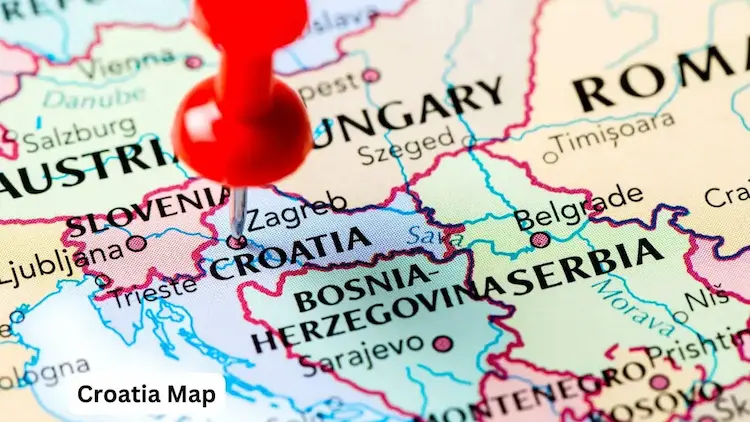
Gluten Free Croatia: Our Family Travel Guide (2026)
Updated: May 23, 2026
This post contains affiliate links. I may receive a small commission if you purchase something through these links, which helps me continue to deliver great content with no extra cost to you. I never recommend products or services I wouldn’t use myself!
Imagine this: you’re overlooking the Adriatic Sea from a rocky cliff, and your child is devouring a delicious gluten-free pastry he found at a local market, grinning from ear to ear.
That was our real experience on our gluten free Croatia trip, and it’s one of those travel moments I’ll never forget.
When we first started traveling gluten free as a family, I thought international travel, especially in Europe, was going to be a logistical nightmare. Croatia proved us completely wrong. What we found was a country with clearly labeled gluten-free food in major supermarkets, restaurants that understood exactly what we needed, naturally gluten-free local dishes at almost every table, and warm locals who genuinely wanted to help us enjoy our meal.
Croatia has become one of the most enjoyable, low-stress trips we’ve taken as a gluten-free family, and this guide covers every practical thing we wish we’d known before we went.
Quick Gluten Free Travel Tips for Croatia
Before we get into the restaurants and cities, here’s what made our trip smooth:
- Learn “bez glutena”, Croatian for gluten-free. Say it everywhere.
- Use the Find Me Gluten Free app to check restaurant reviews before you arrive.
- Stick to cities like Dubrovnik, Split, and Zagreb for the best gluten-free options.
- Shop at Konzum, Spar, DM, and Bio&Bio, all stock gluten-free products.
- When ordering, ask: “bez kontaminacije” (without contamination from shared surfaces).
- Bring a Croatian gluten-free restaurant card, print one, or buy a laminated version.
- Pack safe snacks for ferry rides, island day trips, and national park hikes.
Pro Tip: Keep gluten-free bars and crackers in your bag for ferry rides, hikes, or remote towns.
In Croatia, the phrase “bez glutena” is widely understood in tourist cities, and most restaurant staff in Dubrovnik, Split, and Zagreb will know exactly what you’re asking for.
13 Gluten Free Restaurants We Loved Across Croatia
These are the spots our family visited, recommended by other gluten-free travelers, or both. Some are fully gluten-free kitchens, others have dedicated prep areas and trained staff.
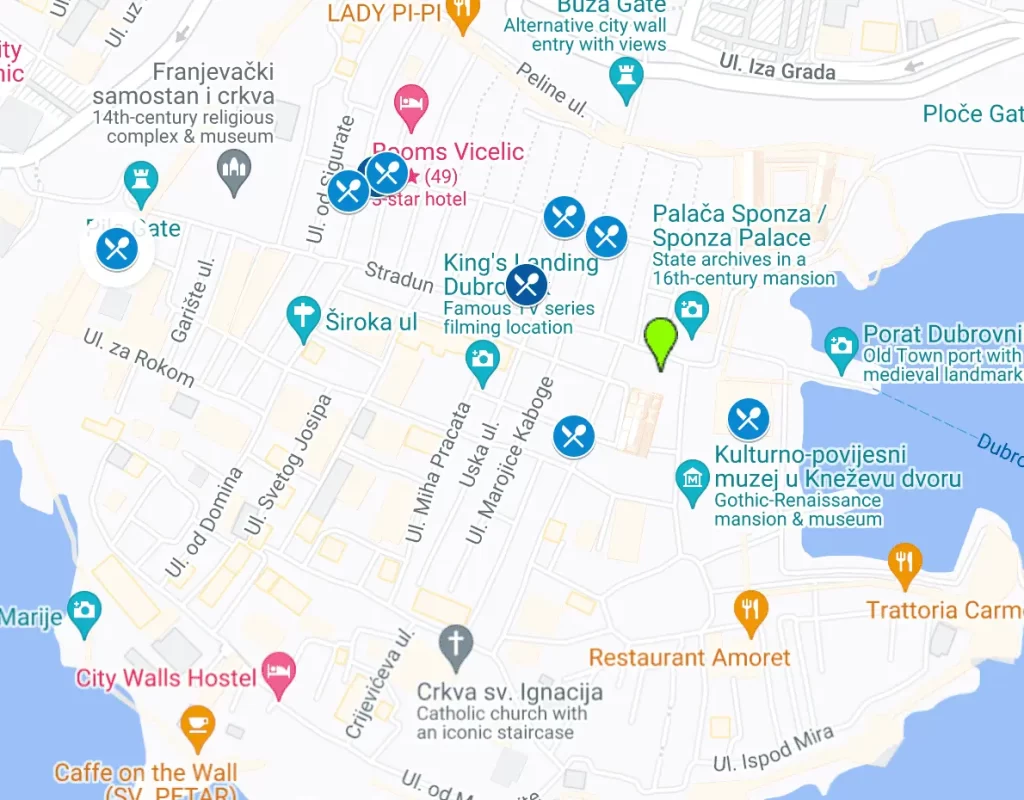
Dubrovnik
aROMA Gelato Experience (100% gluten-free kitchen) Every single gelato and sorbet is made without gluten. We came back three days in a row. The kids still talk about it.
Soul Kitchen A cozy breakfast and lunch spot with a dedicated gluten-free menu and staff who clearly knew their way around a dietary request. We ordered the eggs and the GF toast and had zero issues.
Zuzori Michelin-level Mediterranean cooking with separate prep areas. Book well ahead, especially in summer. Worth every penny for a special evening out.
Split
SALT Gluten-Free House (100% gluten-free kitchen) This was the highlight of our whole trip. Pizza, pasta, desserts, all made in a fully gluten-free kitchen. A genuine must-visit if you’re spending any time in Split.
MakaMaka Bowls, smoothies, and clearly labeled gluten-free options throughout the menu. Great for a quick, relaxed lunch between sightseeing.
Hvar
Dalmatino Seafood-focused with genuinely accommodating staff. We explained what we needed and they walked us through the whole menu. Fresh grilled fish with olive oil and herbs, perfect.
Val Marina Restaurant Stunning views and proactive gluten-free service. The staff asked us upfront about dietary needs before we even mentioned it.
Zadar & Plitvice
Pet Bunara (Zadar) Excellent risotto and grilled fish. Ask specifically about utensils when you order, the staff here were very helpful when we did.
Degenija (Plitvice) Perfect lunch stop after a morning at the lakes. No shared fryers, and the team confirmed every dish we asked about. We ordered the grilled meat and polenta.
Rijeka
Rica (100% gluten-free kitchen) Pizzas and brownies in a fully gluten-free kitchen. We stopped here on our way up the coast and wished we’d had more time.
Zagreb
Vegehop Vegetarian restaurant with a large number of gluten-free dishes clearly marked on the menu. Great for a lighter dinner after a day of museums.
Curry Bowl Naturally gluten-free Sri Lankan curries. This was one of our most relaxed meals of the whole trip because the cuisine itself is built around rice and lentils.
Le Bistro Esplanade Historic luxury hotel restaurant with gluten-free options available. Worth it for a special occasion dinner in Zagreb.
Pro tip from our trip: email restaurants before you arrive. Most responded in English and were happy to confirm exactly what they could prepare for us. It takes five minutes and saves a lot of uncertainty at the table.
Gluten Free Supermarkets in Croatia: Where We Shopped
One of the things that made Croatia so easy as a gluten-free travel destination is the supermarket situation. You won’t be hunting for specialty shops.
Konzum & Spar , carry Schär bread, pasta, flour mixes, and crackers. We found these in every city we visited.
Bio&Bio , health food chain with organic, local, and gluten-free products. Our favourite for restocking snacks mid-trip.
DM (Drogerie Markt) , brilliant for travel snacks: bars, cookies, and packaged goods with clear labeling.
Lidl & Plodine , budget options with “bez glutena” labels. Great for stocking up before ferry trips.
What to look for on Croatian labels: “bez pšenice, ječma, raži i zobi” = no wheat, barley, rye, or oats.
Hidden tip: pack a small soft cooler for island trips so you can store supermarket finds for ferry rides and beach days. It was one of the best packing decisions we made.
Naturally Gluten Free Croatian Dishes to Order
This is where Croatia genuinely surprised us. Traditional Croatian cuisine leans heavily on grilled meats, fresh seafood, olive oil, and polenta, which means a lot of the menu is naturally gluten-free if you know what to look for.
Our family’s favourites:
Peka, slow-cooked meat and vegetables under a dome, often served with polenta. One of the most memorable meals of our trip, ordered at a family-run konoba outside Split.
Grilled fish, fresh catch with olive oil and herbs, available everywhere along the coast. Simple, delicious, zero fuss.
Crni rižot, black squid ink risotto. Extraordinary. Ask the kitchen to confirm the broth and prep, but we ordered this at three different restaurants without any issues.
Polenta, a creamy cornmeal dish that turns up as a side all over Croatia. Naturally gluten-free and filling.
Sarma, stuffed cabbage rolls. Ask about the filling ingredients, but the dish itself is traditionally made without wheat.
When ordering anything, the phrase that worked for us every time: “Je li ovo bez glutena i bez kontaminacije?” (Is this gluten-free and free from shared surface preparation?)
In Croatia, traditional dishes like peka, crni rižot, grilled fish, and polenta are naturally made without gluten ingredients and are widely available at family-run restaurants along the Dalmatian coast.
How We Handle Shared Kitchen Situations in Croatia
Croatia’s restaurant kitchens vary, some are fully gluten-free, others are standard kitchens where shared surfaces are a reality. Here’s our approach that worked across 13 restaurants:
- Email or call ahead to confirm dedicated prep areas before a special dinner out
- Eat during off-peak hours when kitchens are less busy and staff have more time to talk through your order
- Use a restaurant card in Croatian to explain what you need clearly, we used one throughout the trip
- Bring snacks for ferries, tours, and day trips where restaurant options are limited
Our son’s favourite part of the whole trip: teaching him to say “bez glutena” at markets. He used it at every food stall we passed and vendors loved it, he came home with more free fruit samples than any of us.
How We’d Spend 7 Days in Croatia as a Gluten Free Family
This is roughly the route we took, built around both the sights and the best places to eat:
| Day | Destination | Highlights |
|---|---|---|
| Day 1 | Dubrovnik | City walls, Soul Kitchen, Zuzori |
| Day 2 | Split | Diocletian’s Palace, SALT GF House |
| Day 3 | Hvar | Beaches, fresh seafood, Dalmatino |
| Day 4 | Zadar | Sea Organ, Pet Bunara risotto |
| Day 5 | Plitvice Lakes | Waterfalls, boardwalks, Degenija lunch |
| Day 6 | Rijeka | Rica 100% GF kitchen, castle views |
| Day 7 | Zagreb | Upper Town museums, Vegehop, Curry Bowl |
Top Things to Do in Croatia (That Have Nothing to Do With Food)
Croatia is genuinely one of the most beautiful countries we’ve ever visited, and most of the best experiences are outdoors or cultural.
- 🏰 Dubrovnik Old Town & City Walls , walk the full walls circuit at sunrise before the crowds arrive
- 🏞️ Plitvice Lakes National Park , turquoise lakes and waterfalls through limestone landscapes, absolutely stunning
- 🏖️ Hvar Island & Fortica Fortress , best beaches we found anywhere on the coast
- 🎶 Zadar’s Sea Organ & Sun Salutation , genuinely unlike anything else we’ve experienced
- 🏛️ Split’s Diocletian’s Palace , a 4th century Roman palace you can walk through, eat in, and stay inside
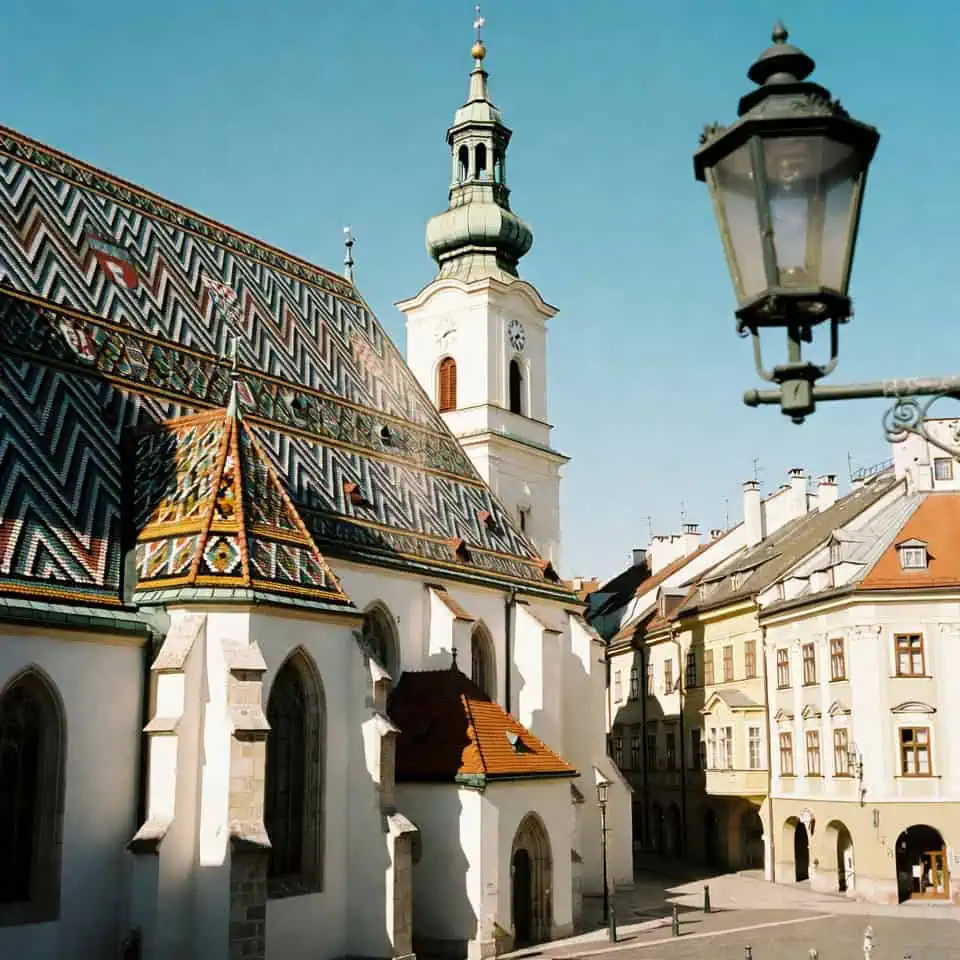
- 🏯 Zagreb’s Upper Town & St. Mark’s Church , a completely different side of Croatia from the coast
If you’re looking for something more adventurous, don’t miss ziplining over the Cetina Canyon, one of the most unforgettable outdoor experiences in Croatia, and nothing to do with food whatsoever.
15 Things to Know Before You Travel to Croatia
- Croatia has an extraordinary Adriatic coastline with islands, beaches, and medieval towns like Dubrovnik that you genuinely have to see to believe.
- Dubrovnik’s Old Town is a UNESCO World Heritage site, yes it’s busy, but it earns every visitor.
- Plitvice Lakes National Park is a natural wonder of turquoise lakes, waterfalls, and boardwalks built through limestone landscapes.
- Traditional Croatian cuisine features fresh seafood, cured meats, cheeses, olive oil, risottos, and Mediterranean fare.
- Many traditional dishes including crni rižot, pršut, olive oils, and stews are naturally made without gluten ingredients.
- Cities like Zagreb, Split, and Dubrovnik have excellent gluten-free scenes with dedicated bakeries, well-stocked supermarkets, and accommodating restaurants.
- Croatian wines, plavac mali (red) and pošip (white), are high quality and very affordable.
- The country has a fascinating mix of cultural influences: Roman, Venetian, Austrian, Hungarian, and Ottoman.
- English is widely spoken in tourist areas, making communication easy throughout the trip.
- Croatia uses the Euro as of January 2023.
- Getting between islands and coastal cities is best done by ferry or catamaran, plan this in advance in peak season.
- July and August are peak season: crowded and more expensive.
- May, June, September, and October offer better weather, fewer crowds, and lower prices.
- Croatia has a complex history from the Yugoslav Wars in the 1990s that’s worth reading about before you go.
- It’s an exceptionally welcoming and safe country for tourists with genuinely warm hospitality.
So, Is Croatia Worth It for a Gluten Free Family?
A thousand times yes. Croatia has history, nature, and a food scene that holds its own against anywhere in Europe, all wrapped up in a country that’s genuinely easy to navigate as a gluten-free traveler. Prices aren’t rock bottom, but the value for what you get is unreal.
We came home already planning the next trip back.
FAQs about Gluten‑Free Croatia
Is Croatia a good destination for gluten free travel?
It’s one of the best we’ve found in Europe. Cities like Dubrovnik, Split, and Zagreb have gluten-free menus, clearly labeled supermarket products, and restaurant staff who understand what you’re asking for. The traditional cuisine also happens to lean naturally gluten-free, which makes the whole trip easier.
What’s the best phrase to use when ordering gluten free in Croatia?
“Bez glutena” is gluten-free. When you want to ask about shared kitchen surfaces, say “bez kontaminacije.” The phrase that covered everything for us: “Je li ovo bez glutena i bez kontaminacije?” Most restaurant staff in tourist cities understood immediately.
Which Croatian cities have the best gluten free restaurant options?
Dubrovnik, Split, and Zagreb have the most options and the highest awareness among restaurant staff. Hvar and Zadar are also strong. More remote areas and smaller islands have fewer dedicated options, so we always packed snacks for those days.
When is the best time to visit Croatia?
Late spring (May to June) or early autumn (September to October) gives you the best combination of good weather, manageable crowds, and lower prices. July and August are peak season, which means both more tourists and higher costs.
How do you get around Croatia?
Bus, car rental, and ferries if you’re island-hopping. Public transport between major cities is efficient and reliable. For island trips, book ferries in advance during summer, they fill up fast.
Where can you find gluten free food in Dubrovnik Old Town?
Soul Kitchen, Zuzori, and aROMA Gelato Experience were our go-to spots. Ask for “bez glutena” menus and take a moment to talk with staff about how dishes are prepared, everyone we met was genuinely helpful.
Which supermarkets stock gluten free products in Croatia?
Konzum, Spar, DM, and Bio&Bio all carry gluten-free products. Look for “bez glutena” labels on snacks, pasta, and baking items. DM is particularly good for travel-friendly packaged snacks.