
Gluten-Free Travel in the USA: Best Cities, National Parks & Celiac-Safe Strategies
TL;DR: Gluten-Free Travel Safety in the USA
- The USA can be very celiac-friendly, especially in major cities, but safety varies widely by location.
- Only 100% dedicated gluten-free kitchens offer the lowest risk; most restaurants operate shared kitchens where cross-contamination is possible.
- “Gluten-free” on a menu does not guarantee safe preparation. Always confirm cross-contamination protocols directly with staff.
- Chain restaurants can be helpful while traveling, but protocols vary by location and should be verified every time.
- National parks and rural areas require advance planning, packing food is often essential.
- This guide is based on real family experience traveling with celiac disease, not guarantees. Use it to plan, ask better questions, and decide what level of risk is right for you.
Important Safety Note (Please Read)
Restaurant practices change, staff turnover is common, and cross-contamination risks vary by location. No restaurant outside of a fully dedicated gluten-free kitchen can guarantee safety for people with celiac disease. Always confirm preparation protocols directly with staff and make dining decisions based on your personal risk tolerance.
Is the USA Celiac-Friendly? An Honest Look at Gluten-Free Travel
After six years of traveling across the United States with my husband and younger son, both diagnosed with celiac disease, and managing my older son’s gluten intolerance, I can say this confidently:
The United States is one of the easiest countries in the world to travel gluten-free, if you know where to go, how to communicate, and where the real risks are.
This guide is based entirely on real family experience, not crowdsourced lists or one-time restaurant visits. It reflects places we’ve eaten, mistakes we’ve made, and systems we now rely on to travel safely.
Why This Gluten-Free USA Travel Guide Is Different
This is not a database-driven guide and not a list of “best gluten-free restaurants.”
It’s built from repeat travel, real setbacks, and refining what actually works for a family managing celiac disease over time.
I focus less on what sounds good on paper and more on what is:
- Repeatable across multiple meals
- Realistic with kids
- Adaptable when plans fall apart
- Honest about risk
The goal is not to eliminate risk, but to help families understand it and plan accordingly.
Who This Guide Is For: Families, First-Time Travelers & Celiac Households
This guide is designed for:
- Families traveling with celiac disease
- Parents managing food safety for children
- First-time gluten-free travelers in the US
- Travelers planning road trips, national parks, or multi-city itineraries
Our Family’s Gluten-Free Travel Experience with Celiac Disease
Our family’s travel changed completely in 2019 when my husband and younger son were diagnosed with celiac disease. Early on, we trusted “gluten-free friendly” claims that weren’t backed by protocols. One incident in Nashville left my son sick for days and taught me a hard lesson:
Good intentions do not equal safe preparation.
Since then, we’ve successfully traveled across major US cities, national parks, and rural regions, without a serious gluten incident in over four years.
Best Cities for Celiac Disease in the USA (Ranked for Gluten-Free Travel)
Cities are ranked based on how easy it is to eat safely day after day, not just the number of gluten-free menu items available. Dedicated gluten-free kitchens, grocery access, and consistency matter more than variety alone, especially for families managing celiac disease.
Ranking factors include:
- Dedicated gluten-free establishments
- Restaurant allergy awareness
- Grocery access
- Chain restaurant reliability
- Family-friendliness
1. Portland, Oregon: Best City for Celiac-Friendly & Gluten-Free Travel
Portland offers one of the strongest gluten-free infrastructures in the United States.
Why Portland Works
- High concentration of dedicated gluten-free establishments
- Staff often understand cross-contamination without extensive explanation
- Excellent grocery access throughout the city
New Cascadia Traditional (Portland)
This is a dedicated gluten-free establishment with no gluten-containing ingredients used in the kitchen, which significantly reduces the risk of cross-contamination for people with celiac disease.
Even in Portland, not every restaurant is celiac-safe. Dedicated gluten-free kitchens remain the lowest-risk option, but Portland offers more of them than most US cities.
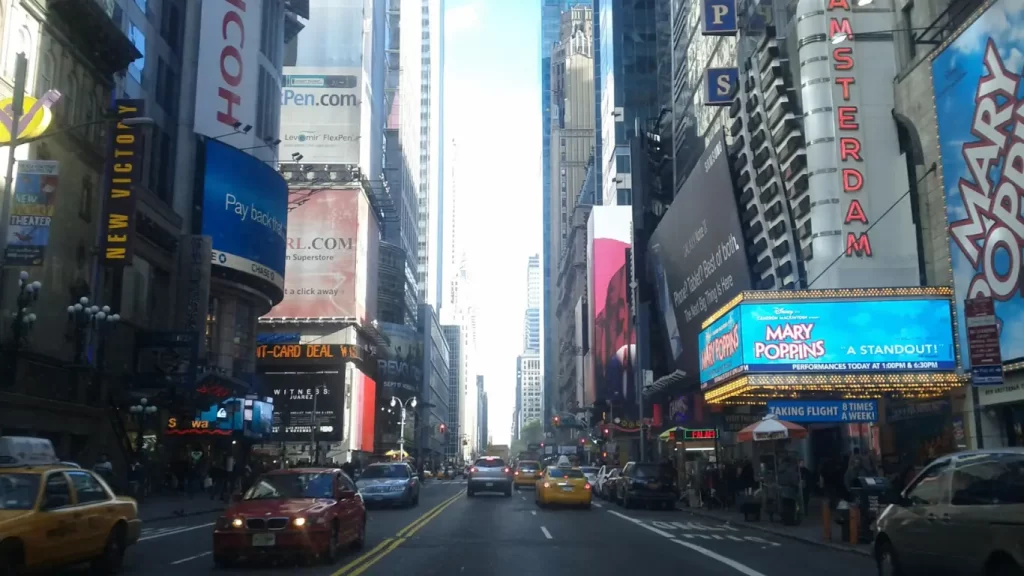
2. New York City: Extensive Gluten-Free Options (With Planning Required)
NYC offers exceptional gluten-free dining, but only when approached strategically.
Senza Gluten (NYC)
This restaurant operates a 100% gluten-free kitchen, meaning wheat, barley, and rye are not used on site. It is widely regarded as a safer option for people with celiac disease, though individual comfort levels may vary.
What Requires Caution
- Pizza shops with shared ovens
- Delis and bagel shops
- Fast-casual dining during peak hours
Shared kitchens are common in NYC. Planning ahead and choosing restaurants intentionally is especially important, particularly when traveling with children.
3. San Francisco: Tech-Forward, Ingredient-Aware Gluten-Free Dining
Why San Francisco Ranks High
The Bay Area’s focus on dietary restrictions extends beyond veganism and food trends. Ingredient transparency, sourcing, and allergen awareness are deeply embedded in the local food culture.
Key San Francisco Advantages
- Tech-Forward Menus: Many restaurants publish detailed allergen information online and are comfortable discussing ingredients and preparation methods.
- Farm-to-Table Culture: Emphasis on sourcing means staff often know exactly what’s in each dish.
- Asian Cuisine Access: Neighborhoods like Chinatown, Japantown, and the Mission District offer cuisines that often rely on rice or corn rather than wheat.
Personal Experience
At Pica Pica (a Venezuelan arepa restaurant), staff explained their corn-based preparation process and gluten-free handling without prompting. While this level of awareness can be found in many San Francisco kitchens, most restaurants still operate shared kitchens, and preparation protocols must always be confirmed.
Challenges
- Higher costs
- Reservation requirements (often 1–2 weeks ahead)
- Tourist-heavy areas like Fisherman’s Wharf offer fewer reliably manageable options
Best For: Families with higher budgets, travelers who appreciate diverse cuisines, and tech-savvy visitors who research menus in advance.
→ Read Our Complete San Francisco Guide

4. Chicago: Improving Gluten-Free Scene with Location-Specific Risks
Chicago’s Evolution
When we first visited Chicago in 2020, gluten-free options were limited and inconsistent. On our return in 2024, we saw noticeable improvement in awareness and availability.
What’s Working Now
- Dedicated Gluten-Free: Wheat’s End Café is a 100% gluten-free café and bakery.
- Italian Restaurants with GF Protocols: Some offer gluten-free pasta with specific preparation procedures, though kitchens are shared and protocols vary by location.
- Ethnic Neighborhoods: Pilsen, Greektown, and Little Italy offer naturally gluten-free dishes when preparation is verified.

Important Note on Pizza
Pizza remains one of the highest-risk foods for celiac disease due to shared ovens and airborne flour. Preparation methods vary by location and must always be confirmed.
Personal Experience
At one Chicago location, gluten-free pizzas were prepared with separate pans and cutters; at another, the same chain used shared ovens. Location-specific variation matters.
Family-Specific Considerations
Chicago’s museums, including the Field Museum and Shedd Aquarium, have improved gluten-free accommodations. We still packed supplemental snacks but were able to purchase safe meals on site with verification.
→ Read Our Complete Chicago Guide
5. Denver: Outdoor Travel Hub with Growing Gluten-Free Awareness
Why Denver Works
Colorado’s health-conscious culture, combined with year-round outdoor tourism, creates strong demand for gluten-free options.
Denver Strengths
- Gluten-Free Beer Availability: Dedicated gluten-free beers like Glutenberg are widely available.
- Health-Focused Grocery Access: Natural Grocers, Whole Foods, and Sprouts are widely available throughout the metro area.
- Tourist-Facing Restaurant Awareness: Restaurants serving hikers and skiers are often familiar with dietary requests, though most operate shared kitchens.
Personal Experience
Denver worked especially well for active family travel. Restaurants near hiking destinations, including the Red Rocks area, frequently offered gluten-free options and were comfortable answering questions, unlike dining options within more remote national park areas.
As with most US cities, the majority of Denver restaurants are not dedicated gluten-free kitchens, so protocols must always be confirmed.
Chain Restaurants & Gluten-Free Travel: What’s Actually Reliable
The following chains are often mentioned by gluten-free travelers, but none operate fully gluten-free kitchens.
These chains may work for some travelers, but shared kitchens mean cross-contamination risk is always possible.
Chipotle
Most ingredients are naturally gluten-free, but flour tortillas are handled in the same prep line. Cross-contamination is possible and protocols should be verified each visit.
In-N-Out Burger
“Protein Style” burgers are available, but preparation takes place in a shared kitchen. Fresh gloves and surface changes should be requested.
P.F. Chang’s
Offers a branded gluten-free menu, but kitchens are shared and risk varies by location.
Chains Requiring Extra Caution
- Pizza chains
- Sandwich shops
- Breakfast restaurants with shared griddles
These restaurants offer gluten-free options, but preparation occurs in shared kitchens, and cross-contamination risk cannot be eliminated.
Gluten-Free Travel Reality Check by US Region
Northeast: Strong awareness in cities; options drop inland.
West Coast: Excellent urban options; sharp rural drop-off.
Midwest: Flour-heavy cuisine increases risk.
South: Many naturally gluten-free foods, but flour is widely used.
Southwest: Corn-based cuisine helps, but mixed preparation is common.
One of the biggest patterns we’ve observed is the sharp gap between urban and rural dining options. Grocery planning is essential outside cities.
Gluten-Free Travel in US National Parks: What to Expect
National parks require a different strategy than cities:
- Limited food services
- Seasonal staff
- Long distances between options
Best-Prepared Parks: Yosemite, Grand Canyon (South Rim), Acadia (stay in Bar Harbor)
Plan to pack 60–70% of meals, shop in gateway towns, and prioritize accommodations with refrigeration.
Hotel Breakfasts & Gluten-Free Travel: What We Do Now
We no longer automatically skip hotel breakfasts, but we approach them cautiously.
Lower-Risk Items: Whole fruit, sealed yogurt, packaged GF items
Higher-Risk Items: Buffets, shared toasters, uncovered “GF” items
If staff can’t clearly explain handling practices, we rely on our own food.
Essential Rules for Gluten-Free & Celiac-Safe Travel in the USA
- Maintain a 24-hour snack supply
- Never assume “gluten-free” means safe
- Watch preparation when possible
- Build buffer time into itineraries
- Always identify grocery stores as backups
Final Thoughts
Gluten-free travel in the United States is absolutely possible, but it requires planning, communication, and realistic expectations.
Celiac disease doesn’t prevent exploration. It requires better systems. With preparation and advocacy, families can safely experience everything from national parks to major cities.
About the Author
Laili Wasserstein is the founder of The Gluten Free Travel Bliss, documenting real-world gluten-free travel across the US and 15+ countries. She has managed celiac-safe travel since 2019 for her husband and son and continues to advocate for safer food practices in restaurants and travel destinations.